Natural Disasters: Geography 1700
In this class we were given some options to choose from for an E-portfolio assignment. I chose to do the assignment related to earthquakes and volcanoes. Some of the most deadly natural disasters have be earthquakes and volcanic eruptions. I think this is a subject worth learning about so a person can better understand the hazards they may face in their lifetime. |  |
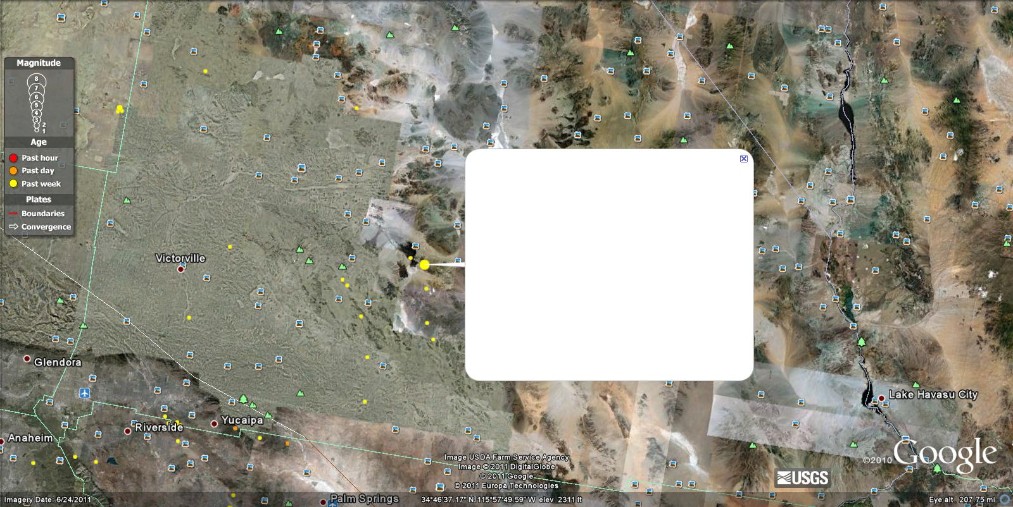
M 4.0, Southern California
- Magnitude 4.0
- Location Southern California
- Date Monday, October 17, 2011
- Time20:05:57 UTC
- Depth (where the focus occurred) 1.10 km (0.68)
- Determine the basic type of tectonic plate boundary it occur at (i.e. oceanic-to-oceanic, continental-to-continental, oceanic-to-continental, transform, divergent, or intraplate) Transform fault.
- Explain WHY you believe it is located along this type of tectonic plate boundary. I believe this is a transform fault because it is in the San Andreas fault and that is an area known to be a transform area.
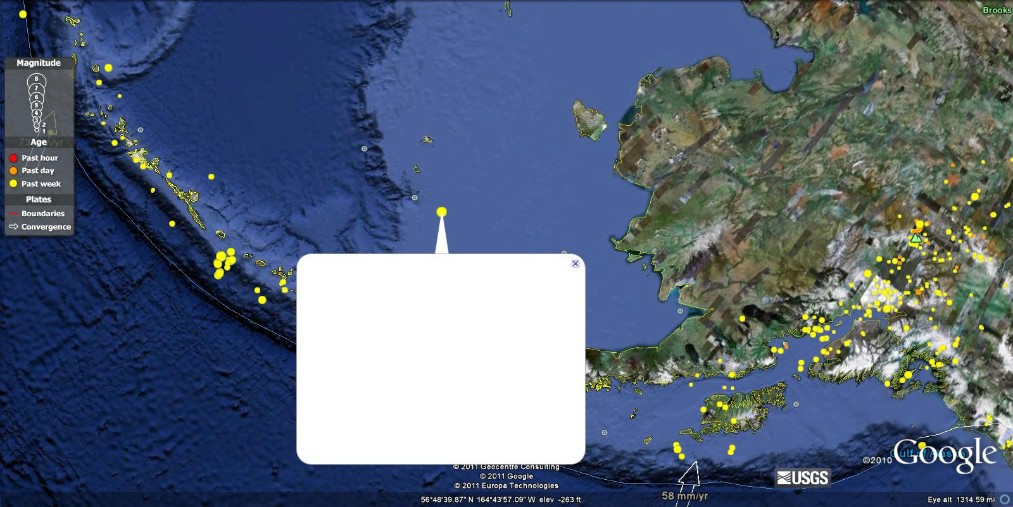
M 4.5, Pribilof Islands, Alaska region
| Date: | Monday, October 17, 2011 06:14:43 UTC Sunday, October 16, 2011 10:14:43 PM at epicenter |
|---|---|
| Depth: | 52.80 km (32.81 mi) |
- Magnitude: 4.5
- Location: Pribilof Islands, Alaska region
- Date: Monday, October 17, 2011
- Time: 06:14:43
- Depth (where the focus occurred): 52.80 km (32.81 mi)
- Determine the basic type of tectonic plate boundary it occur at (i.e. oceanic-to-oceanic, continental-to-continental, oceanic-to-continental, transform, divergent, or intraplate) Oceanic-to-oceanic.
- Explain WHY you believe it is located along this type of tectonic plate boundary.
- This is on a convergent ridge. It is an oceanic-to-oceanic plate boundary because it is in the ocean and not on the coast.
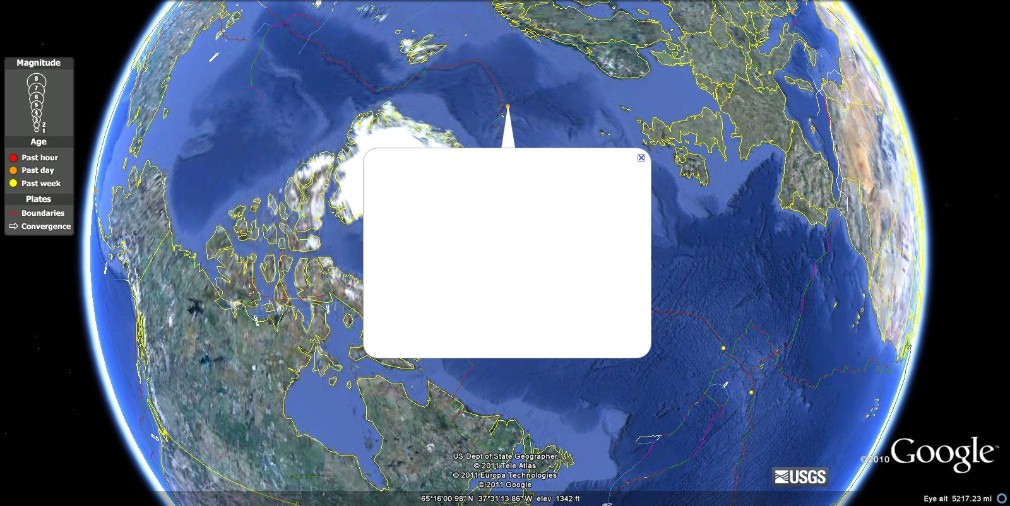
M 5.0, Jan Mayen Island region
| Tuesday, October 25, 2011 02:32:22 UTC Tuesday, October 25, 2011 02:32:22 AM at epicenter | |
|
16.60 km (10.31 mi) Magnitude 5.0 Location: Jan Mayen Island region Date: Saturday, October 25, 2011 Time: 02:32:22 Depth (where the focus occurred):16.60 km (10.31 mi) Determine the basic type of tectonic plate boundary it occur at (i.e. oceanic-to-oceanic, continental-to-continental, oceanic-to-continental, transform, divergent, or intraplate) This is an area that is know for its divergent quakes. This quake happened between the North American and Eurasian Plates, as North America moves westward relative to Eurasia. Explain WHY you believe it is located along this type of tectonic plate boundary. I think this quake is on a divergent boundary because it falls in line with the Mid-Adlantic Ridge.
|
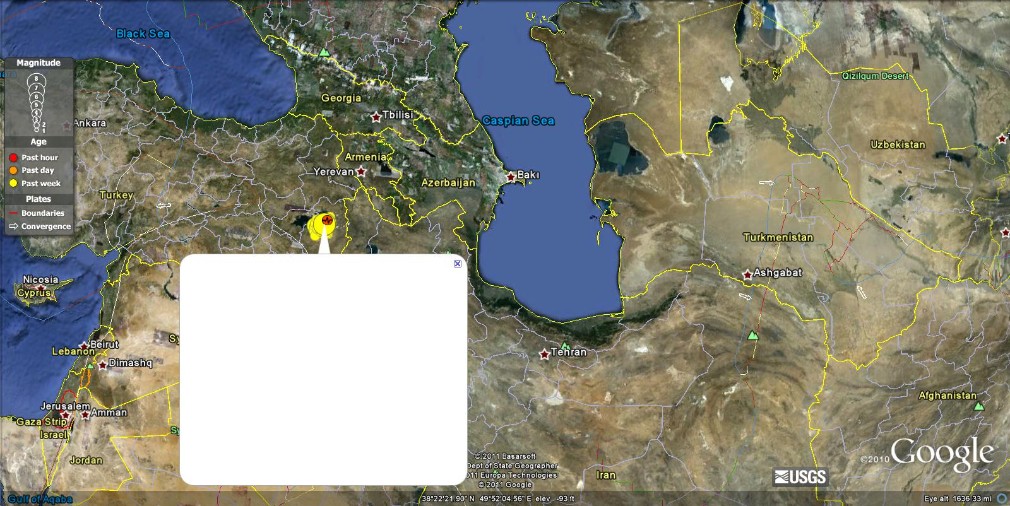
M 7.2, eastern Turkey
| Date: | Sunday, October 23, 2011 10:41:21 UTC Sunday, October 23, 2011 01:41:21 PM at epicenter |
|---|---|
| Depth: | 20.00 km (12.43 mi) |
- Magnitude: 7.2
- Location: Eastern Turkey
- Date: October 23, 2011
- Time: 10:41:21
- Depth (where the focus occurred) 20.00 km (12.43)
- Determine the basic type of tectonic plate boundary it occur at (i.e. oceanic-to-oceanic, continental-to-continental, oceanic-to-continental, transform, divergent, or intraplate) Continental-to-continental
- Explain WHY you believe it is located along this type of tectonic plate boundary. This is a convergent quake and it happened in the mountains.
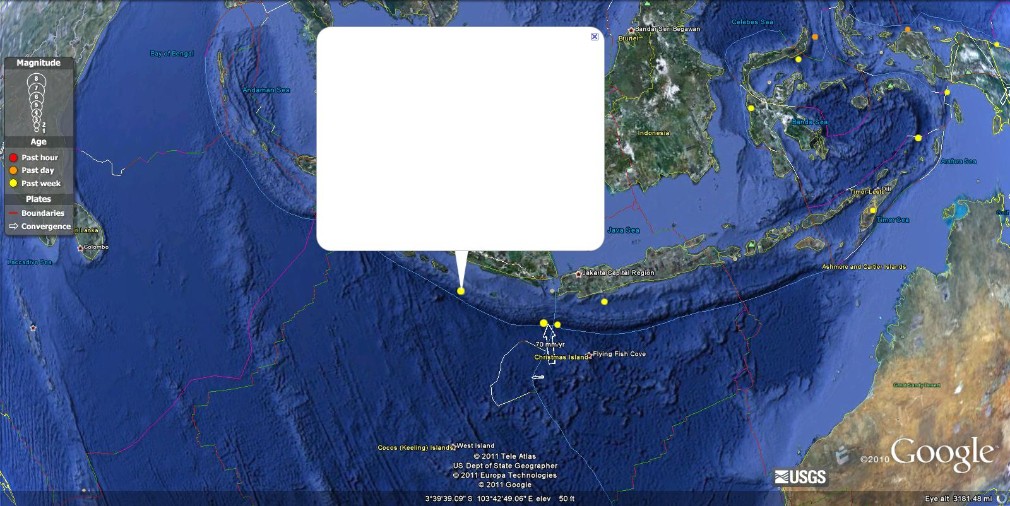
M 5.0, southwest of Sumatra, Indonesia
| Date: | Saturday, October 22, 2011 08:34:19 UTC Saturday, October 22, 2011 03:34:19 PM at epicenter |
|---|---|
|
Depth: |
16.40 km (10.19 mi) |
- Magnitude: 5.0
- Location: Southwest of Sumatra, Indonesia
- Date: October 22, 2011
- Time:08:34:19
- Depth (where the focus occurred) 16.40 km (10.19 mi)
- Determine the basic type of tectonic plate boundary it occur at (i.e. oceanic-to-oceanic, continental-to-continental, oceanic-to-continental, transform, divergent, or intraplate) This was a oceanic-to-continental, convergent.
- Explain WHY you believe it is located along this type of tectonic plate boundary. This quake happened in an area that is known for oceanic-to-continental quakes.
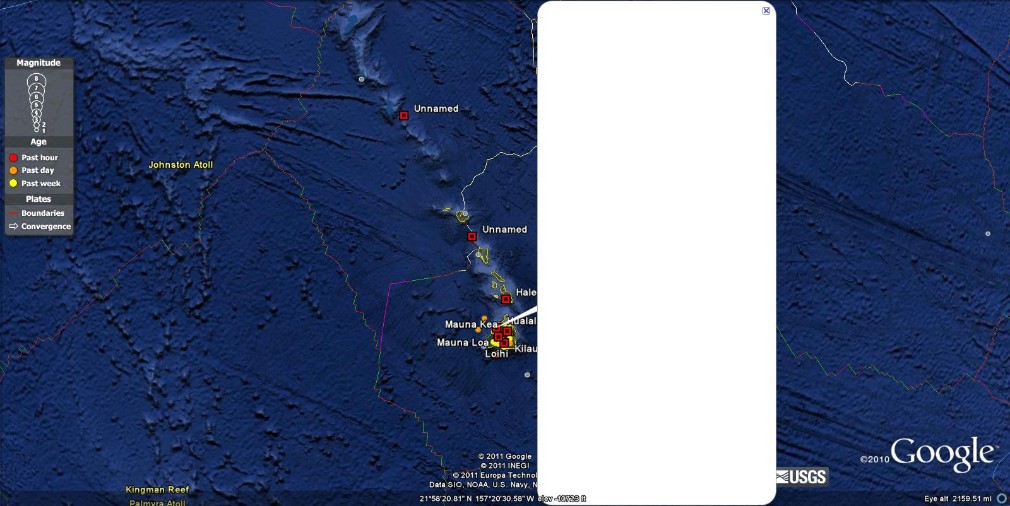
| Hualalai Hawaii (Hawaiian Islands) | |
 | |
| Volcano types: Shield volcano Pyroclastic cones |
Summit Elev: 2523 m Latitude: 19.692°N Longitude: 155.87°W |
| |
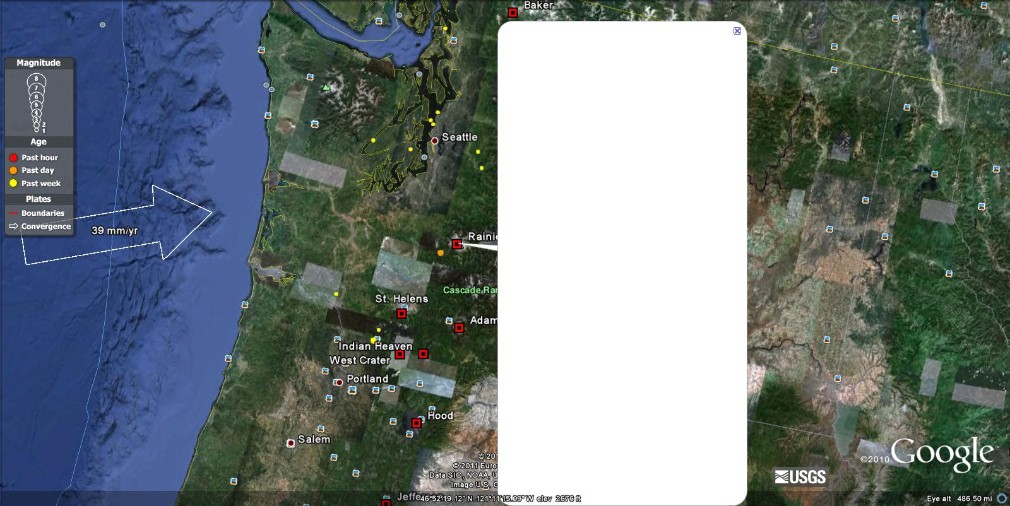
Rainier
Washington (USA)

Volcano name: Mount Rainier
Type of Volcano: Composite Volcano
Type of fault line it occurs on: Convergent, Oceanic-to-continent.
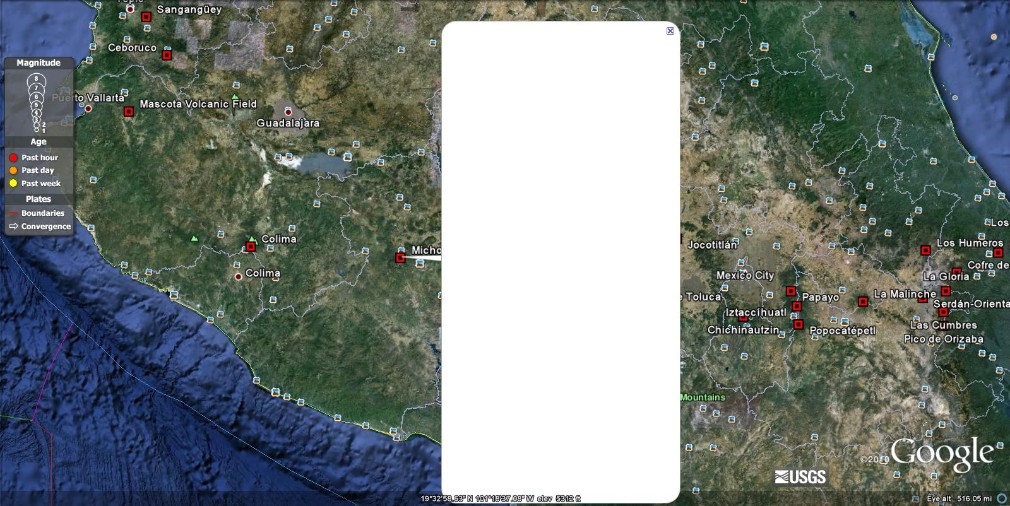
Volcano name: Michoacan-Guanajuato Mexico
Volcano Type: Cinder Cones
Type of fault line: Convergent, continental-to-continental.
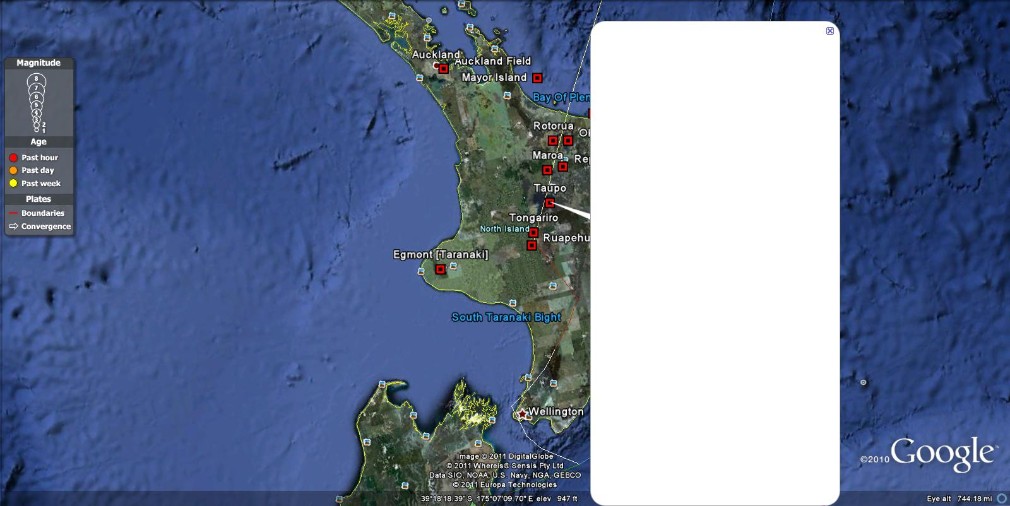
Volcano name: Taupo, New Zealand
Volcano Type: Caldera
Fault line: Convergent, oceanic-to-continent
Assaingment Reflection
· Describe the correlation is between earthquakes and volcanoes in terms of the Theory of Plate Tectonics.
Many earthquakes and volcanoes occur/form on fault zones. This is because those areas are plate boundaries that are constantly moving. As a result of the constant movement taking place, earthquakes happen and volcanoes form and erupt.
The core of the Earth is full of energy that causes the plates to move and change. Earthquakes are a result of the plate boundaries and how they interact when this movement takes place. Volcanoes happen because energy forces the mantle upward at plate boundaries.
Analyze the spatial relationship and distribution that exists with these forces of nature.
The circumference of the Earth is never changing. The mass is constant. So, when new lithosphere is being produced at a spreading ridge, other lithosphere is being pulled back into the center of the Earth at a subduction zone. The rate at which the Earth is expanding at a spreading ridge, is the same rate at which it is being destroyed at a subduction zone, so continents remain the same distance apart.
The Earth, essentially recycles itself—it never produces anything entirely new. If a surface is expanding at the edge of one plate, the edge of another will be broken down, and taken back to the center of the Earth to be used again at another time.
Describe what you learned about earthquakes and volcanoes that you did not know before this course.
To be honest, I didn’t know much about earthquakes or volcanoes before taking this course. I had heard it said that Utah was susceptible to an earthquake, but I didn’t understand the science that went along with that conclusion. Plate tectonics are fascinating to me. Earthquakes and volcanoes are a result of the Earth doing what it does in a system as predictable as the water cycle. There is really nothing disastrous about them—just the Earth going through a natural process of movement and change.
I learned that plates are locked in place against each other. The size of the Earth cannot change, so there is no room for easy movement—that is what creates big earthquakes. Hollister, California averages 2,000 earthquakes a year, but for the most part they go unnoticed because the movement there is frequent enough to keep them small. In Utah, on the other hand, our plates are more tightly locked. Movement happens much more rarely, but when it does happen it is expected to be noticed—very noticed.
How has this helped shift your worldview about natural disasters now that you have a strong scientific understanding of the concept?
I think that people can prevent a lot of damage, death, and destruction by understanding the systems of the Earth, and avoiding building in areas where the Earth’s natural movement could produce catastrophic outcomes. If we do populate those areas, we should take precautions necessary to minimize destruction with new building procedures and technologies.
That is easier said in the United States than accomplished in Haiti. Some people are too busy surviving each day to worry about what tomorrow might bring. I think that individuals who are able have a responsibility to do all they can to minimize risk to themselves and their loved ones.
